How to Launch a Solana Token in 2026 Without Falling for a Rug Pull
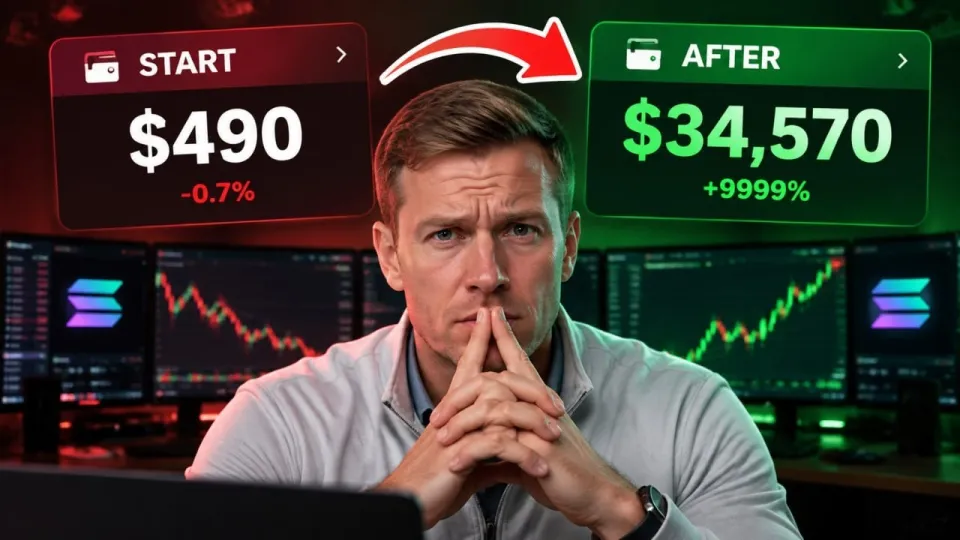
Video: Rug Pull Strategy: Solana Token Launch & Rug Pull Risks
A Solana token launch is the process of creating and listing a new SPL token on Solana, usually through a launch platform, and it can be done in minutes — which is exactly why rug pull risk is so high. If you want to launch a Solana token or buy a new meme coin, the core rule is simple: verify liquidity locks, holder distribution, developer wallet activity, and mint or freeze authorities before you commit funds. Platforms like funrug.cc are used to explore how these meme coin launches are set up, and the channel TU ANDROID. COM breaks down the mechanics in its video "Rug Pull Strategy: Solana Token Launch & Rug Pull Risks."
What a Solana token launch actually involves
A Solana token launch means creating an SPL token, adding it to a liquidity pool, and letting traders buy it through a DEX such as Raydium or Orca. On Solana this is fast and cheap: transaction fees are fractions of a cent, and a basic token can be created with a few clicks. The technical steps are straightforward:
- Create the SPL token mint and set the supply.
- Optionally create metadata (name, ticker, logo) so the token appears in wallets and charts.
- Add liquidity to a pool, usually paired with SOL or USDC.
- Lock or burn the LP tokens if the project wants to look trustworthy.
- Revoke mint and freeze authorities so the supply cannot be changed.
Steps 3, 4, and 5 are where most of the risk lives. A launch that skips them is not automatically a scam, but it gives the creator far more control than most buyers realize. The word "launch" sounds like a single event, yet it is really a sequence of permissions — and every permission left active is a potential exit door.
How rug pulls work on Solana
A rug pull is an exit scam in which the people behind a token drain the money that buyers put in. On Solana it usually takes one of three forms. The first is a liquidity pull: the creator adds SOL to the pool to make the token tradable, then removes that liquidity once buyers arrive, leaving holders with a token nobody can sell. The second is a developer wallet dump: the team holds a large share of the supply and sells it into the market, crashing the price. The third is a mint exploit: if the mint authority was never revoked, the creator can print new tokens and sell them indefinitely.
None of these require hacking Solana itself. The network works as designed; the trap is in the token's configuration. That is why the most useful question is not "is this project good?" but "what can the creator still do to this token?" If the answer includes removing liquidity, minting more supply, or freezing holder accounts, the risk is structural rather than speculative.
Red flags to check before buying a new meme coin
Red flags are the specific, verifiable signals that separate a risky launch from a reckless one. Checking them takes a few minutes on a block explorer or a token analytics tool, and it is the cheapest form of due diligence available. Look for these warning signs:
- Liquidity is not locked, or the lock is short and controlled by the team.
- Mint authority is still active, meaning new tokens can be created at any time.
- Freeze authority is active, so wallets can be blocked from selling.
- One wallet or a small cluster holds a large share of the supply.
- The developer wallet funded the liquidity and can withdraw it.
- Trading is dominated by bots, with almost no organic volume.
- Social channels promise guaranteed returns or push urgency.
The last point matters more than it sounds. Hype and big promises are never enough to prove a project is safe, and pressure to buy immediately is a classic sign that the window for insiders is closing. A token with locked liquidity, revoked authorities, and a wide holder base is not guaranteed to succeed — but it removes the easiest ways for a creator to disappear with the pool.
Why bots and speed change the game
Automated bots make new Solana launches harder for ordinary traders to navigate. When a token pair goes live, bots can detect it and buy within the same block, pushing the price up before most people even see the chart. That creates a misleading picture: the chart looks like organic demand, while much of the early volume is automated. Retail buyers often enter at the top of that first spike and become the exit liquidity for the bots and the creator.
This does not mean every fast-moving launch is fraudulent. It means speed is not an edge for beginners. If you cannot explain who is buying, why the price moved, and what the creator can still do, the safer choice is to wait. Meme coin strategy in this environment is mostly about avoiding mistakes, not catching every move.
Common questions from new Solana traders
New traders tend to ask the same practical questions, and the answers are usually about verification rather than prediction. Can a token be safe if the liquidity is locked? Locked liquidity helps, but it does not cover an active mint authority or a large insider wallet. Is a low market cap a good sign? Sometimes, but a low cap with one dominant holder is more dangerous than a higher cap with wide distribution. Do audits guarantee safety? No audit covers every risk, and many meme coins never get one. Should you trust a project because the community is loud? Community size can be manufactured, so check the contract permissions first and the sentiment second.
The common thread is that safety on Solana is a checklist, not a feeling. Anyone can create a token; the work is in reading what the creator left enabled.
A practical checklist for evaluating a Solana token
A checklist turns a vague sense of risk into concrete steps you can repeat on every launch. Before interacting with any new token, confirm the following:
- Liquidity is locked or burned, and the lock is verifiable on-chain.
- Mint authority is revoked.
- Freeze authority is revoked.
- Top holders are not a single connected cluster.
- The developer wallet has not funded and withdrawn liquidity before.
- Trading volume looks organic rather than purely bot-driven.
- The team's claims can be checked against on-chain data.
If several of these fail, the token is not necessarily a scam — but you are accepting a level of risk that most retail traders cannot price correctly. The video from TU ANDROID. COM is useful precisely because it walks through these mechanics from the creator's side, which makes the warning signs easier to recognize when you are the buyer.
Final thoughts on launching and trading Solana tokens
Launching a token on Solana is technically easy, and that is the point: the barrier is low, so the burden of verification falls on buyers. The rug pull risk is not hidden in the code of Solana but in the permissions of each individual token — liquidity, mint authority, freeze authority, and holder concentration. Treat every new launch as unverified until you have checked those four things yourself, and treat hype as marketing rather than evidence. If you want to see how these launches are structured in practice, explore the platform at funrug.cc and use it to study the mechanics before risking real capital. For a full walkthrough of the risks, the TU ANDROID. COM breakdown remains a solid starting point.
Key takeaways
- A Solana token launch takes minutes and costs a few SOL, but the real risk sits in who controls mint, freeze and liquidity.
- Most rug pulls remove liquidity or dump a large developer wallet instead of hacking the contract or the network.
- Always check liquidity locks, holder distribution, developer wallet activity, mint and freeze authorities before buying.
- Automated bots buy new Solana pairs within seconds, so retail traders often enter after the first price spike.
- Hype and big promises are never proof of safety; contract permissions and locked liquidity are the first things to verify.
Source: Rug Pull Strategy: Solana Token Launch & Rug Pull Risks · Markdown version
Questions & answers
What is the biggest warning sign beginners overlook in a Solana token launch?
Most beginners focus on the chart and social hype while ignoring contract permissions. An active mint authority or freeze authority means the creator can still create new tokens or block holders from selling, which is often more dangerous than unlocked liquidity alone.
Can a Solana token with locked liquidity still be a rug pull?
Yes. Locked liquidity removes one exit route, but a large developer wallet can still be dumped on the market, and an active mint authority allows unlimited new supply. Locked liquidity is a positive signal, not a guarantee.
How do bots affect new Solana meme coin launches?
Bots detect new trading pairs within seconds and buy before most retail traders see the chart. This inflates early volume and price, so late buyers often become exit liquidity when the bots and insiders sell.
Is it legal to launch a meme coin on Solana?
Creating a token is generally legal, but using it to defraud buyers is not. Rules vary by jurisdiction, and a launch that removes liquidity or misrepresents the project can cross into securities or fraud violations.